
Emergency dental care for severe tooth pain can provide relief while identifying and treating the underlying problem before it becomes more serious. A severe toothache can appear suddenly or gradually become worse over several days, and the pain may make it difficult to eat, sleep, work, or concentrate. While some minor dental sensitivity can be temporary, intense, persistent, or worsening tooth pain should not be ignored.
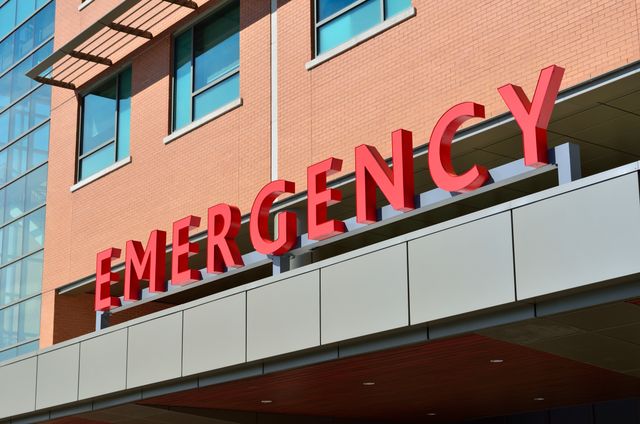
For patients in Staten Island, knowing when tooth pain requires prompt dental attention can help prevent complications and, in some cases, make the difference between saving and losing a damaged tooth.
What Causes Severe Tooth Pain?
Tooth pain is a symptom rather than a specific condition. Because several dental problems can cause similar discomfort, a dental examination is usually necessary to determine exactly what is happening.
One of the most common causes is tooth decay. As a cavity becomes deeper, it can approach the pulp at the center of the tooth, where nerves and blood vessels are located. This may cause increasing sensitivity or significant pain.
A cracked or fractured tooth can also produce sudden pain, particularly when biting or chewing. Cracks are not always visible, which is one reason an apparently normal-looking tooth can still hurt considerably.
Other possible causes include gum infections, an abscessed tooth, damaged dental restorations, trauma, exposed tooth roots, advanced gum disease, and inflammation or infection involving the dental pulp.
When Is a Toothache a Dental Emergency?
Occasional mild sensitivity to something cold does not necessarily constitute a dental emergency. However, certain symptoms should prompt you to contact a dentist as soon as possible.
- Severe or persistent tooth pain
- Throbbing pain that interferes with sleeping or normal activities
- Swelling of the gums, jaw, cheek, or face
- Pain when biting or chewing
- A broken, cracked, or significantly damaged tooth
- A loose or knocked-out permanent tooth
- Drainage, a bad taste, or a pimple-like swelling on the gum
- Fever or feeling ill along with dental pain or swelling
Significant facial swelling, difficulty swallowing or breathing, or other signs that an infection may be spreading require urgent medical attention.
What Should You Do When Severe Tooth Pain Starts?
If severe dental pain develops, contact a dentist promptly rather than waiting several days to see whether it disappears. Dental pain can temporarily improve even when the underlying problem remains.
Until you can be examined, gently rinse your mouth and carefully clean around the painful tooth. Food trapped between teeth can sometimes contribute to discomfort. Avoid placing aspirin directly against the tooth or gum because it can irritate and damage oral tissues.
If you normally can take over-the-counter pain medication safely, following the product directions may temporarily reduce discomfort. A cold compress placed against the outside of the face may also help with pain or swelling associated with some dental injuries.
These measures are intended only for temporary relief. They do not replace professional diagnosis and treatment.
Why You Shouldn’t Ignore Severe Tooth Pain
Dental pain is the body’s way of indicating that something is wrong. Unfortunately, many dental conditions do not heal on their own.
A cavity, for example, can continue progressing deeper into the tooth. An infection can extend beyond the tooth into the surrounding tissues. A fracture can become larger with continued biting forces.
There is also a common misconception that if a severe toothache suddenly stops, the problem has resolved. Sometimes pain decreases because the nerve inside a severely damaged or infected tooth is no longer functioning normally. The infection or structural problem may still be present.
Early evaluation generally gives your dentist more options for preserving the natural tooth and preventing a smaller problem from becoming a more complicated dental emergency.
How a Dentist Diagnoses Severe Tooth Pain
During an emergency dental visit, the dentist will first ask about your symptoms. Details such as when the pain started, whether it is constant or intermittent, and whether heat, cold, pressure, or chewing makes it worse can provide important clues.
The dentist will examine the painful tooth and surrounding gums and may evaluate your bite or test how the tooth responds to certain stimuli. Dental X-rays may be recommended when they can help identify decay, infection, bone changes, or other problems that are not visible during the clinical examination.
Once the cause is identified, the appropriate treatment can be discussed.
Treatments for a Dental Emergency
Treatment depends entirely on what is causing the pain. A cavity may require a filling if enough healthy tooth structure remains. A damaged tooth may need a dental crown to restore its strength and function.
If decay or infection has reached the pulp, root canal treatment may be recommended to remove the infected or inflamed tissue while preserving the natural tooth. When a tooth cannot predictably be restored, extraction may sometimes be necessary.
Problems involving the gums or supporting tissues require a different approach. The important point is that treating the source of the problem—not simply masking the pain—is what provides a lasting solution.
Can Dental Emergencies Be Prevented?
Not every dental emergency can be avoided. Accidents happen, teeth can fracture unexpectedly, and previously symptom-free conditions sometimes become painful quickly.
However, preventive dental care can reduce the likelihood that untreated decay, gum disease, or damaged restorations will progress into emergencies. Routine examinations give your dentist an opportunity to identify developing problems before they cause severe symptoms.
Daily brushing with fluoride toothpaste, cleaning between your teeth, limiting frequent exposure to sugary foods and beverages, and wearing appropriate protection during activities that could injure the teeth can also help reduce your risk.
Emergency Dental Care in Staten Island
Severe tooth pain should not become something you simply learn to tolerate. Prompt evaluation can identify the cause, relieve discomfort, and help prevent additional damage to your teeth and gums.
For more information about urgent dental problems, symptoms that require prompt treatment, and what to do when a dental emergency occurs, visit our complete guide to emergency dental care in Staten Island.
If you are experiencing severe tooth pain or another urgent dental problem in Staten Island, contact Ideal Smiles Dental. Dr. Lawrence Shtarkman and Dr. Daniel Kluchman provide dental care focused on identifying the source of the problem and determining the appropriate treatment to restore your oral health.
Ideal Smiles Dental
2955 Veterans Rd. W, Suite 2G
Staten Island, NY 10309
718-535-1196
Email: idealsmilesdental@gmail.com
https://www.idealsmilesdental.com